US Homebuilder Confidence Plummets to 14-Year Low Amidst Market Freeze
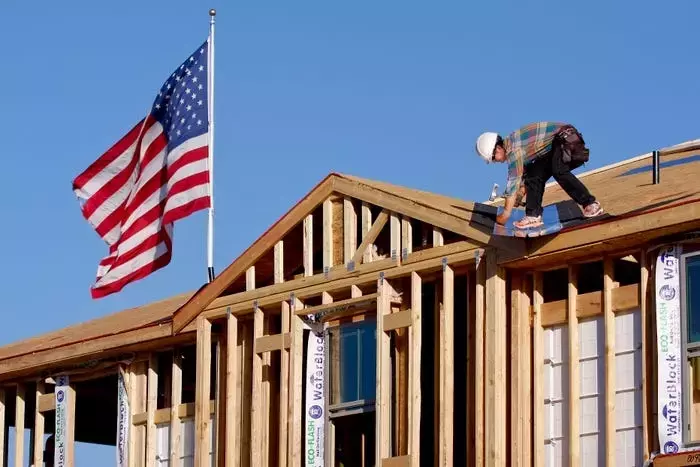
The collective mood among residential construction firms in the United States has soured dramatically, hitting levels not seen in over a decade. This downturn signals profound challenges within the housing sector, stemming from a combination of elevated borrowing costs, escalating material expenses, and a notable decline in property transactions. Industry analysts foresee persistent stagnation in the market, with potential relief not on the horizon for the foreseeable future.
Detailed Report: Factors Behind the Housing Market's Woes
In October of 2026, the National Association of Home Builders (NAHB) and Wells Fargo Housing Market Index revealed a concerning dip in builder confidence, registering a score of 29. This marked a three-point decrease from the previous period and represented the lowest recorded sentiment since June 2012, a time when the market was still grappling with the lingering effects of the 2008 financial crisis. This alarming statistic underscores the immense pressure faced by builders as a combination of factors pushes potential homebuyers out of the market.
- Stagnant Housing Transactions: The real estate market is experiencing a prolonged period of inactivity. Home sales have been suppressed for several years, a situation that has intensified in recent months, forcing more prospective buyers to delay their purchases. Projections from Capital Economics suggest that 2026 is on track to witness the lowest number of home sales since 2011. Furthermore, Redfin's data indicated that pending home sales in September reached a 14-year low, excluding the housing slowdown observed during the pandemic.
- Escalating Cancellations: A growing number of buyers are withdrawing from new home purchases, primarily due to heightened affordability concerns. A report from the specialized housing research firm Zelman highlighted that homebuilding cancellations in the West soared to their highest levels since November 2023.
- Rising Mortgage Costs: Over the past year, mortgage rates have climbed significantly. The average 30-year fixed mortgage rate stood at 7.4% last week, according to Freddie Mac, marking a three-year high. These elevated borrowing costs, coupled with persistently high property prices in numerous regions, are deterring potential buyers.
- Increasing Construction Expenses: Homebuilders are also contending with mounting operational costs. The prices of gas and construction materials have surged, creating additional financial burdens. Simultaneously, builders are pressured to reduce sales prices to attract buyers, which invariably cuts into their profit margins. Data from the latest producer price index report showed that prices for building materials and supplies dealers rose by 28.8% year-over-year in September. Consequently, 43% of homebuilders resorted to price reductions in October, the highest percentage since 2020, as per the NAHB.
- Labor Shortages Due to Immigration Policies: Bill Owens, Chairman of the NAHB, noted that enhanced immigration enforcement has led to construction delays and discouraged some workers from reporting to their jobs. A significant portion of homebuilders, over a third, reported experiencing such issues. This reduction in available labor can indirectly inflate homebuilding costs, as employers may offer higher wages to attract a sufficient workforce.
Robert Dietz, the chief economist at the NAHB, reiterated that the housing sector continues to struggle with supply-side limitations and substantial affordability hurdles. Given that the Housing Market Index remains significantly below the crucial 50-point threshold, which differentiates expansion from contraction, the homebuilding industry is firmly in a contracting phase. Most housing economists do not anticipate any substantial improvement in sales or affordability in the near future, largely because interest rates are expected to remain elevated, creating an ongoing barrier for potential homeowners.
The current state of the US housing market serves as a stark reminder of the interconnectedness of economic factors. The plummeting homebuilder sentiment reflects not just a cyclical downturn but a confluence of persistent challenges that demand comprehensive solutions. From the perspective of a market observer, this situation underscores the delicate balance between supply, demand, and affordability. The continued high mortgage rates, while intended to curb inflation, are effectively freezing a vital sector of the economy, disproportionately affecting first-time homebuyers and those looking to upgrade. Furthermore, the rising costs of labor and materials highlight broader inflationary pressures that ripple through the entire construction supply chain. The insights from economists at Oxford Economics and Goldman Sachs, projecting prolonged stagnation and tepid demand, paint a sober picture for the coming year. This scenario calls for innovative policy interventions, perhaps in the form of targeted subsidies or regulatory adjustments, to inject liquidity and confidence back into the housing market, ensuring it remains accessible and dynamic for all stakeholders. Ignoring these indicators could lead to deeper economic ramifications, potentially stifling broader economic growth and exacerbating social inequalities related to homeownership.